


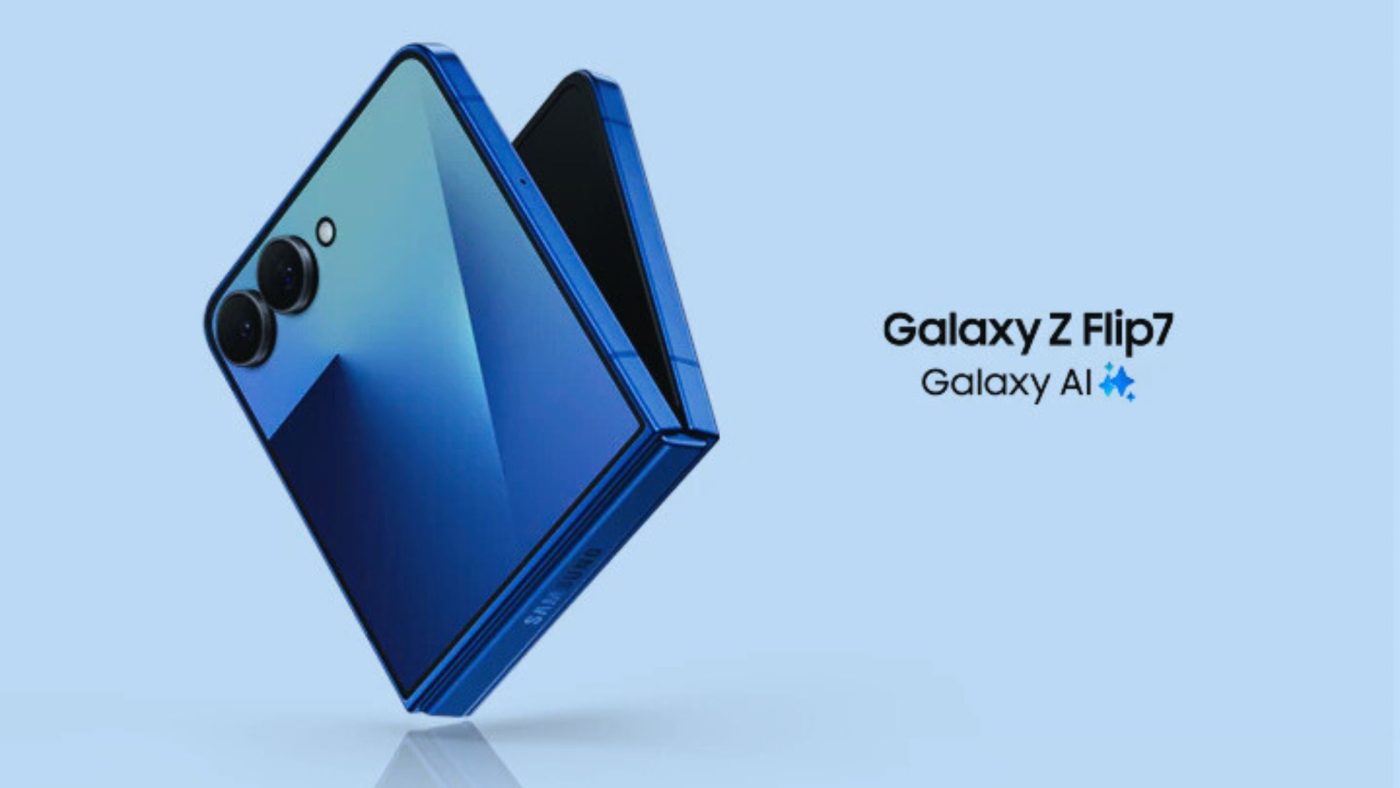

For anyone who still thinks a flip phone is nostalgia, meet the Samsung Galaxy Z Flip7. It is small enough to disappear in a pocket, but powerful enough to replace a lot of what people love about modern phones. Put simply, the Flip7 is the kind of phone that makes people rethink why they were loyal to the iPhone in the first place. Here is why people are switching right now.
First, the cover screen finally matters. Samsung gave the Flip7 a much larger, edge-to-edge cover screen that actually feels useful. You can read messages, control music, handle quick tasks, and even run some full apps without opening the phone.
That convenience removes one big reason people keep a slab phone: quick interactions without pulling the whole device out. Reviewers agree this is a real game-changer for daily habits.
Battery life used to be a common complaint for compact flip phones. Samsung addressed that this year by boosting the Flip7’s battery to roughly 4,300 mAh. In real-world testing that translates to noticeably better all-day endurance compared to earlier flips. If you were waiting for a flip phone that does not make you hunt for the charger by late afternoon, this one finally closes the gap.
People also care about practical software. The Flip7 ships with One UI refinements that treat the cover screen as more than a notification board. Samsung added deeper integration, including DeX support in some scenarios and assistant features for hands-free use.
For users switching from iPhone, that means getting a similar level of ecosystem polish but with more flexible multitasking options. If you value doing more on a small screen without opening the phone, the Flip7’s software feels purpose-built.
Camera performance is another reason many are switching. The Flip7 keeps Samsung’s reliable 50MP main camera and pairs it with a wide and solid front camera experience, while also making it easier to shoot high-quality selfies from the outside screen. Reviewers note that the main-camera selfies in particular look better than the usual front-camera picks, which is a daily win for social-first users.
Durability has been a sticking point for foldables, and Samsung has made meaningful progress. Independent durability tests show the Flip7 survives tougher stresses than earlier models, though the inner plastic-like foldable panel still needs careful handling.
Samsung’s warranty and inner-screen replacement policy help with peace of mind, but smart buyers will still want a protector or case to be safe. Those improvements make switching less scary for people used to the perceived toughness of an iPhone.
There is also social proof. Samsung reported strong pre-order numbers for the Z Flip7 and its siblings, and outlets are calling pre-orders a benchmark that rivals the S-series.
When a new form factor gets this kind of momentum, it nudges mainstream users to reconsider. People see friends and influencers using a compact flip and realize it fits their pockets and their workflows.
Finally, longevity matters. Samsung now promises long software update windows for its flagships and foldables, which reduces the upgrade anxiety that used to make people stick with Apple. If you care about getting OS and security updates for years, the Flip7’s update pledge is a big part of the decision calculus for switching.
The Flip7 is best if you want a compact device with flagship-level features, if you value stylish hardware and pocketability, and if you like showing up with a device people notice.
It is also for power users who want an extra layer of productivity from the cover screen and for anyone who has been waiting to try a foldable that finally feels polished.
If you need the absolute fastest chipset available for gaming or raw benchmarks, a few other phones might have the edge. But for everyday use, the Flip7 nails the balance.
My final take: The Galaxy Z Flip7 is not just a novelty. It is a thoughtful redesign of how a phone should work for modern life. It gives you more useful screen in less space, better battery life, a camera system that punches above its weight, and improved durability.
Add strong pre-order interest and long-term software support, and you have a compelling reason to jump from iPhone to Samsung.


